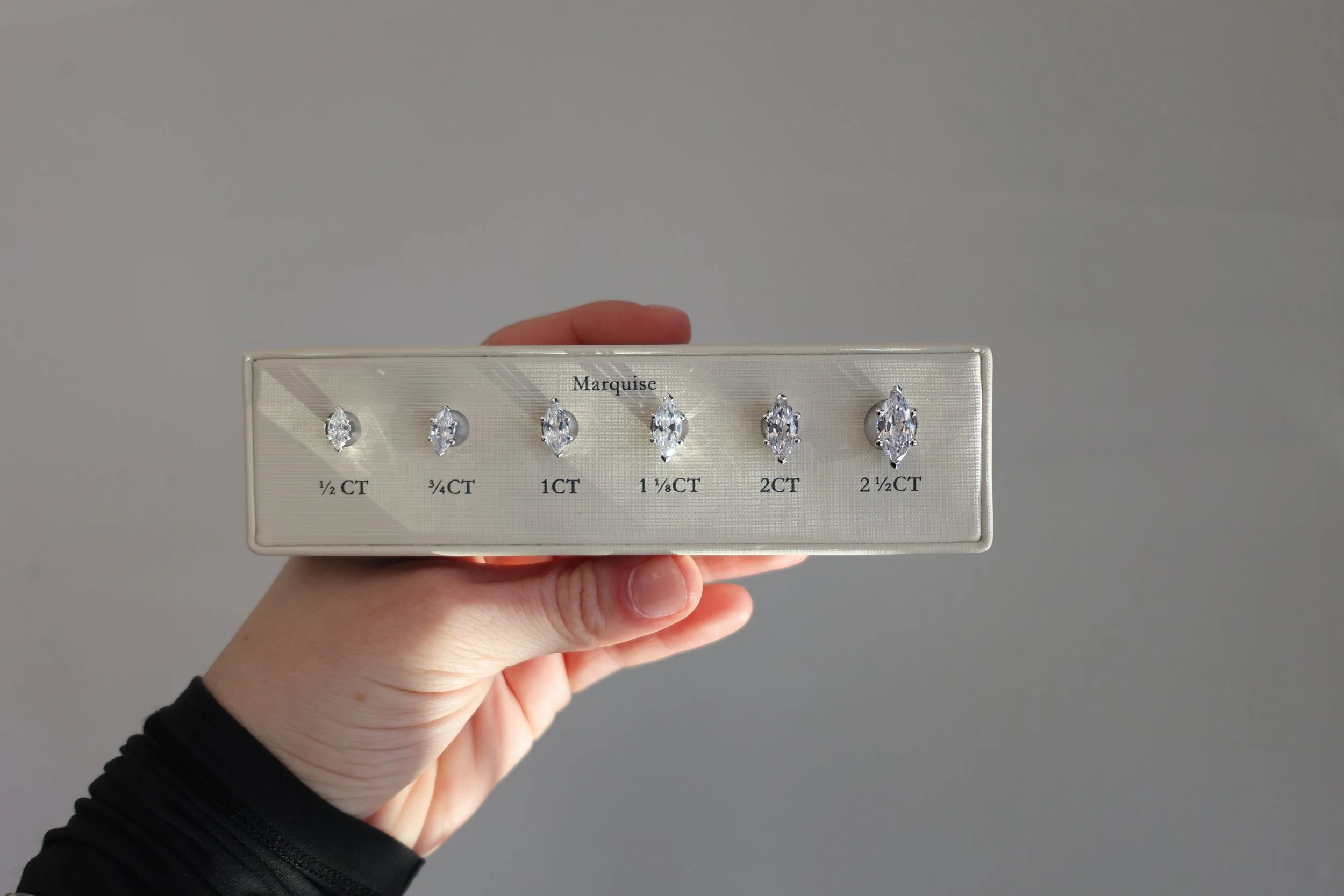
Two gemstones can have nearly identical measurements yet look completely different when placed beside each other. One may appear bright and lively, while the other looks darker or more subdued. Even stones of the same variety can show noticeable differences in color, sparkle, and overall appearance.
Size is only one part of what you see. A gemstone’s appearance also depends on how it interacts with light, how it was cut, and the natural characteristics within it. The surrounding metal and the environment where you view it can influence your impression as well.
If you are exploring gemstone jewelry in Orland Park, understanding these differences can help you look beyond measurements and appreciate what makes each stone distinctive.
Carat Weight Does Not Mean Physical Size
One of the most common sources of confusion is the difference between carat weight and size. Carat measures a gemstone’s weight, while its dimensions describe its physical measurements.
Different gemstone materials have different densities. As a result, two stones with the same carat weight may have different dimensions. A denser material can weigh more than another gemstone of the same physical size.
Even within the same gemstone variety, weight can be distributed differently. A deeper stone may carry more weight beneath its visible surface, while a shallower stone may spread that weight across a wider outline.
When comparing gemstones, consider both their measurements and their appearance from above rather than relying on carat weight alone.
Color Has Several Dimensions
A gemstone’s color involves more than whether it is blue, green, or red. Gemologists describe color using hue, tone, and saturation.
Hue refers to the basic color and any modifying colors. For example, two blue gemstones may differ because one has a greenish influence while the other leans toward violet.
Tone describes how light or dark the color appears. Saturation refers to its strength or intensity.
These differences can make two similarly sized stones feel entirely different. A lighter stone may look soft and airy, while a more saturated stone creates a stronger impression. A very dark stone may reveal less visible detail in certain lighting.
Personal preference matters. The color you enjoy wearing may be different from the one someone else would choose.
Cut Changes How Light Moves Through a Stone
The way a gemstone is cut affects how light enters, reflects within it, and returns to the viewer. Facet angles, proportions, and symmetry all contribute to its appearance.
A well-executed cut can help show a gemstone’s color and brightness attractively. Other proportions may allow light to pass through the bottom instead of returning toward your eye. This can create a pale or see-through area, often called a window.
Some stones also show areas that appear very dark from certain angles, known as extinction. The amount and placement of these areas can influence how lively the stone looks as it moves.
Colored gemstones are not all cut according to one universal formula. A cutter may balance color, natural crystal shape, visible inclusions, and weight when deciding how to shape an individual stone.
Shape Affects the Visual Impression
Shape and cut are related, but they describe different things. Shape refers to the gemstone’s outline, such as round, oval, pear, or emerald-shaped. Cut concerns the arrangement and execution of its facets.
Two stones with similar lengths and widths can still occupy different amounts of visible space because their outlines differ. Rounded corners, pointed ends, and elongated proportions all affect the impression of size.
Facet patterns also change the visual effect. Step-cut stones tend to display broader, more orderly flashes, while brilliant-style facet arrangements can produce many smaller reflections.
Neither appearance is automatically better. They simply offer different ways to enjoy a gemstone’s color and interaction with light.
Transparency Influences What You See
Transparency describes how readily light passes through a gemstone. Transparent stones allow you to see through them, translucent stones transmit light without a clear view through the material, and opaque stones do not allow light to pass through visibly.
These characteristics create very different effects, even when gemstones have matching dimensions.
A transparent gemstone may display visible internal reflections, while a translucent cabochon can have a softer glow. An opaque stone may draw attention through its rich surface color, patterns, or polish.
Internal features can also scatter light and affect clarity. However, inclusions are not always undesirable. In some gemstones, particular inclusions contribute to distinctive optical effects, such as a star or cat’s-eye appearance.
Different Gemstones Interact With Light Differently
Each gemstone material has optical properties that influence its appearance. These include how strongly it bends light and how it separates white light into spectral colors.
That means two equally sized, similarly colored gemstones may still show different levels or types of brilliance.
Some gemstones also display different colors when viewed in different crystal directions, a property called pleochroism. The cutter’s choice of orientation can influence which colors are most noticeable in the finished stone.
These characteristics help explain why matching measurements and a similar color description do not guarantee a matching appearance.
Lighting and Settings Change the Comparison
A gemstone can look different in daylight, warm indoor lighting, and cooler artificial lighting. Some lighting brings out particular colors, while other conditions make a stone appear darker or less vivid.
The setting adds another influence. Yellow gold, white gold, and rose gold create different surrounding contrasts that can change how you perceive the stone’s color.
An open setting and a more enclosed design may also present the same gemstone differently. When possible, compare pieces under more than one lighting condition and view them from several angles.
Photographs can be helpful, but screen settings, exposure, and editing may affect the colors you see.
Common questions
Does a higher carat weight mean a bigger gemstone?
Not always. Carat measures weight, and denser materials weigh more at the same size.
Why does my gemstone look different indoors?
Lighting changes how color appears. Warm, cool and natural light each bring out different tones.
What is a window in a gemstone?
A pale, see-through area where light passes out the bottom instead of returning to your eye. Shallow proportions often cause it.
Does metal color change how a gemstone looks?
Yes. Yellow, white and rose gold each create a different contrast with the stone.
Look Beyond the Measurements
Choosing a gemstone involves appreciating the complete picture: color, proportions, transparency, light performance, and the design surrounding it. Measurements help describe a stone, but they cannot fully communicate its personality.
At LaBelle Jewelers in Orland Park, take time to explore gemstone jewelry in person and notice how different pieces respond as you move them. Seeing those details firsthand can help you discover which combination of color, shape, and character feels right for you.